
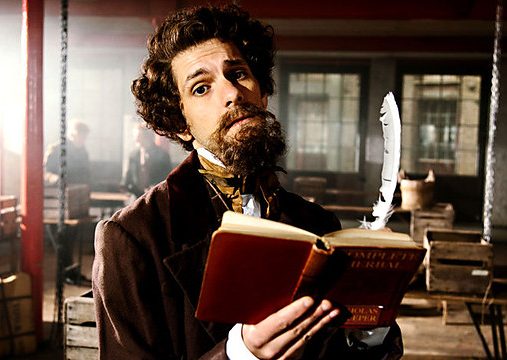
As we enter a new golden age for children’s literature, opportunities to share modern classics with the widest possible audience become fewer and further between.
A new route to getting children’s books on the TV presented itself when I had the chance to pitch to the head of BBC Children’s programmes in 2014. This was particularly exciting as previous commissions had been aimed at an adult audience and focused on books from the past. Here, at last, was an opportunity to connect directly with young readers and viewers.
To prepare I took to Twitter, asking what sort of programmes my followers would be interested seeing on CBBC. The replies were wide ranging and included suggestions of live drawing, puppet shows, animation and even arm wrestling between fictional characters. We ended up pitching a studio programme showcasing contemporary authors with a track record as performers. The channel turned us down on the spot, reasoning they already had children’s books covered thanks to Horrible Histories and on programmes like Blue Peter.
That long running TV show had an undeniably important place in the children’s book world thanks to the Blue Peter children’s book award which ran from 2000 to 2022. The career boost it provided could be significant. For Hannah Gold, winning with her debut novel, The Last Bear in 2022 helped push her from bestseller to publishing phenomenon.
The cancellation of the award by organisers Booktrust in 2023 was a significant loss to the industry and to young readers. Winner of the best story category for A Kind of Spark in 2021, Elle McNicoll called it “one of the few major literary prizes to give children the power to vote for their own winner.”

Unlike other awards, it put young readers on screen and allowed them to talk about the books in contention. It was also the last place on television where authors could speak directly to their audience, rather than their adult gatekeepers.
Books for Breakfast
In the current TV landscape, where can authors hope to appear? The One Show and BBC’s long running Breakfast programme regularly feature children’s books, but often it appears that it’s celebrity children’s authors who dominate in those slots.
This might be a matter of perception however as BBC Breakfast does sometimes find space for non-celeb authors. Jack Meggitt-Phillips appeared on the show in October 2023, to coincide with the release of the third book in his series, The Beast and the Bethany.
So how did he manage to secure an appearance alongside famous faces like Sir Lenny Henry and Jamie Oliver? He took it upon himself to commission a campaign from Eve Wersocki Morris of EWM PR.
“She was able to look at certain promotional assets – the film deal, international rights deals, and the fact that The Beast and the Bethany is perfect at Halloween season – and leverage these to secure national coverage.”
Jack’s track record at public events was also an important selling point. Beetle Boy author, M.G. Leonard confirms that it can be a challenge to persuade producers that you’re going to be able to perform on screen.
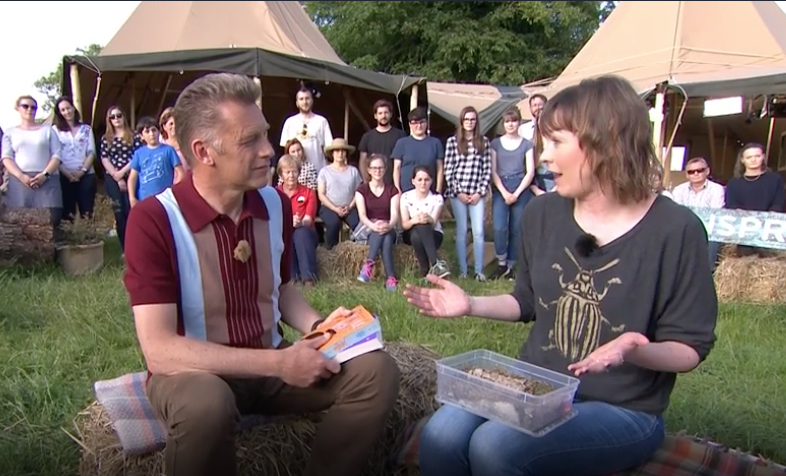
“I had to effectively audition by having a conversation with BBC Nature producers, going over what I would talk about.”
As a trained actor she had certain advantages, particularly when it came to an appearance on Blue Peter.
“I was told that if I forgot my lines in rehearsal, my speaking part would be cut and the presenter would do all the talking. I wasn’t about to let that happen.
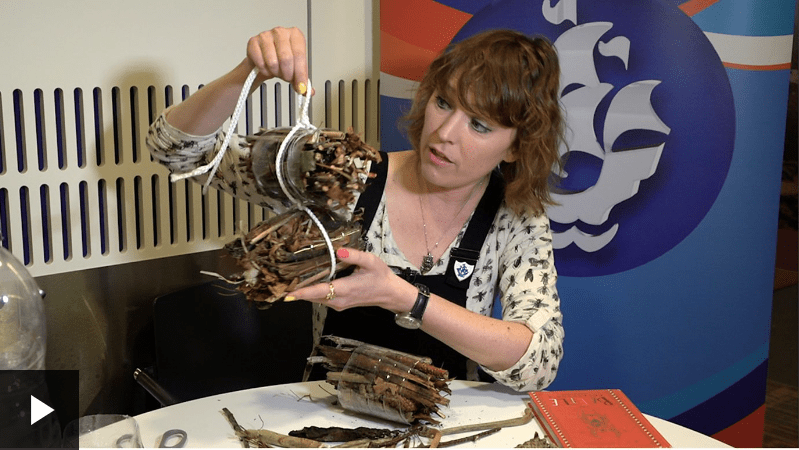
Having worked with many new presenters, I can testify that being in front of camera is more challenging than it looks and certainly isn’t for everyone. Jack Meggitt-Phillips has sympathy for the programme makers.
“They need that author to be stimulating and charismatic enough for the audience to continue watching. And often it’s hard for them to find this, which is why they often turn to celebrity authors.”
Getting Between the Covers
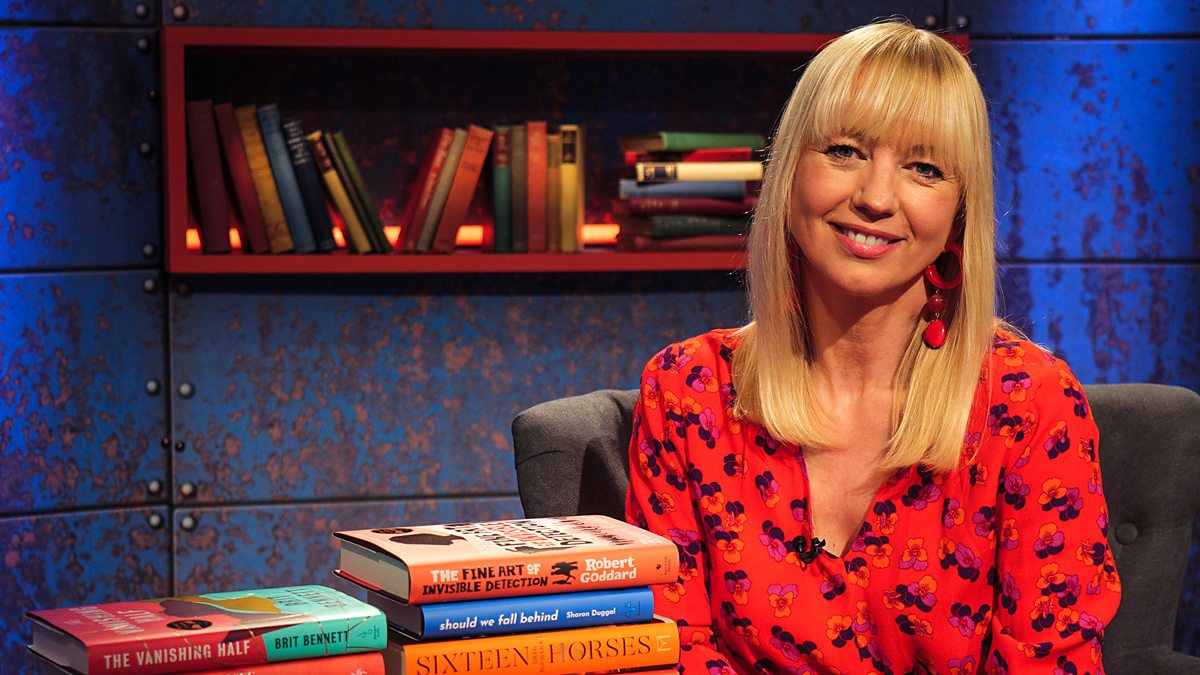
Another route to screen might be through TV book clubs such as BBC Two’s Between the Covers presented by Sara Cox. It’s currently the only nationwide book programme on television but has, at the time of writing, featured zero children’s titles, with just a handful of recommendations by celebrity guests. These have included such under the radar gems as Harry Potter and the Philosopher’s Stone, Alice in Wonderland and The Wind in the Willows. Thanks for that.
M.G. Leonard wants this to change.
“I would like to see book review shows include a children’s author/title in each program, as a matter of policy.”
She made a small amount of headway in this direction when she appeared on BBC Scotland’s Big Scottish Bookclub to discuss her wintry tale, The Ice Children. Though once again it sounds like the producers weren’t particularly knowledgeable about children’s authors.

“I was on because the host, Damian Barr used to be my next-door neighbour and when it was suggested he get a children’s author on for the Christmas episode, he thought of me.”
But with TV viewing figures declining overall, does it really make any difference whether children’s books are covered on TV? M.G. Leonard believes it does.
“TV is the most impactful form of media when it comes to selling books. Its reach is wide and viewers may choose to buy a book based on the appearance.”
And there are other less obvious benefits.
“Bookshops are more likely to stock more than one copy of your book, festivals are more likely to book you and people follow you on social media.”
Outside the Box
Of course getting your book on TV is one thing, finding an audience to watch it is quite another. Ratings, particularly among younger people, have fallen off a cliff in recent years in part due to the fragmentation of the viewing public. Audiences young and old now are now spread across specialist digital channels, binge watching on streaming services or addicted to YouTube. Perhaps TV is just old hat?

But could this new digital reality offer new opportunities? Blue Peter Award winning children’s author Gareth P. Jones, is a skilled performer and a TV producer. He regularly posts his own music on social media and sees the immediacy of short form content on YouTube and TikTok as showing a way forward.
“This accessibility could be harnessed to bring books to TV. For example, short self-made book reviews, which are shown in between other programmes.”
Author and illustrator Rob Biddulph proved this was possible during the 2020 pandemic with his YouTube phenomenon, Draw with Rob. His short videos have been watched over 10 million times and continue to inspire both children and adults to pick up pencil and paper.
It’s this universality where I see hope. There is no reason why television still can’t create new conversations about children’s books and introduce the next Philip Pullman or Malorie Blackman to the nation rather than focussing on past glories.
Producers need to remember the child they were, not the books they once read. TV still has the power to spark an excitement for reading and put funny, exciting and inspiring children’s books into the hands of the next generation.
This article was originally written as part of my MA in writing for young people at Bath Spa University.
Read part one here

 Tyger Tale