In search of the perfect ending
‘The end came too quickly,’ Joan Aiken writes in the afterword to her final novel. ‘Yes, it did, and I apologize. But a speedy end is better than a half-finished story.’
The concluding book in a long running series is a tricky thing, and not many writers have the ultimate impending deadline to spur them on. Written in 2003, the last year of Joan Aiken’s life, The Witch of Clatteringshaws ties up loose ends, rights wrongs and revisits old friends. It’s also the final book in her Wolves sequence, which began with 1962’s the Wolves of Willoughby Chase. Her daughter Lizza Aiken describes it as ‘the last piece of a very complicated jigsaw puzzle of her own making over the last fifty years.’
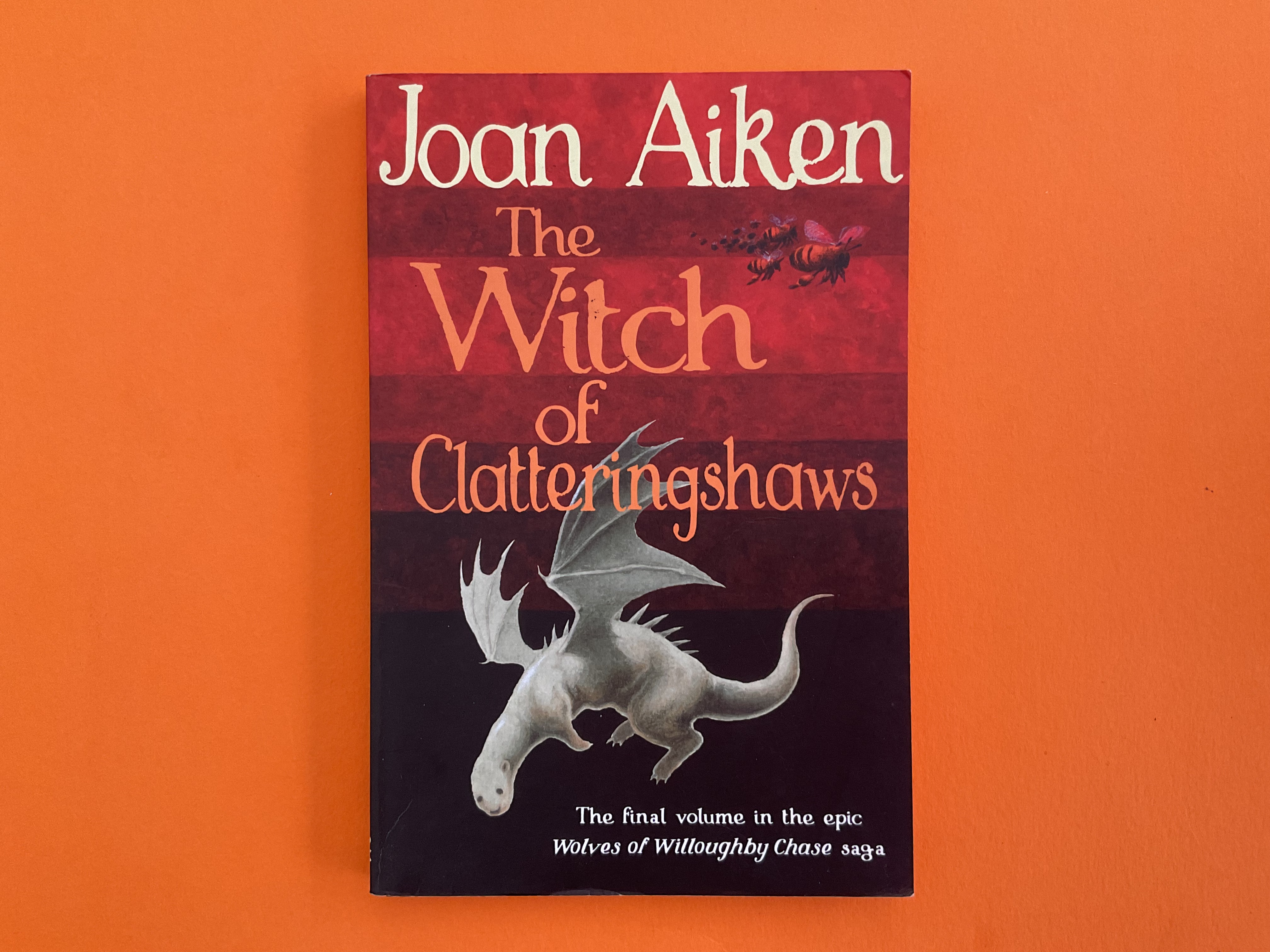
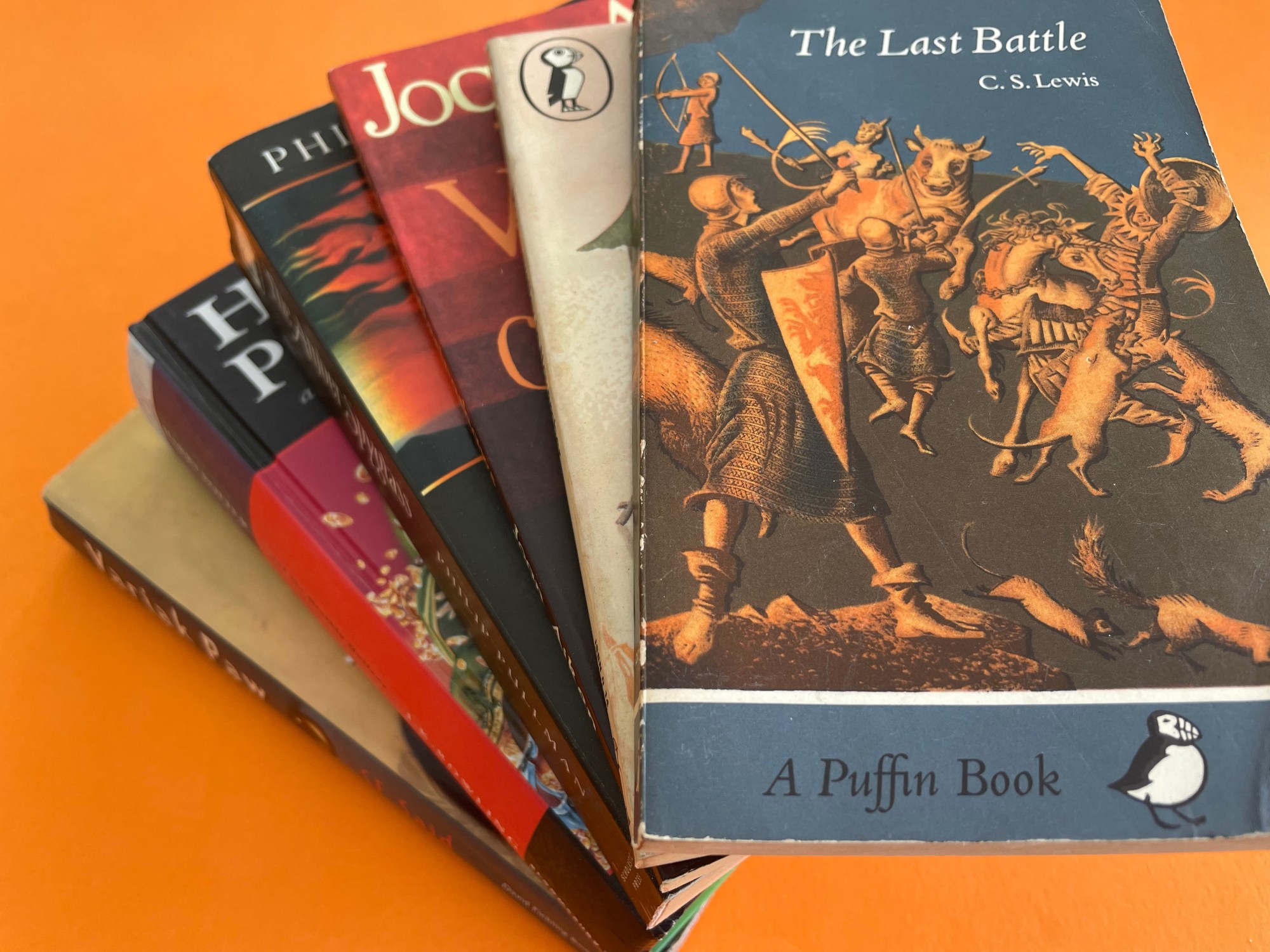
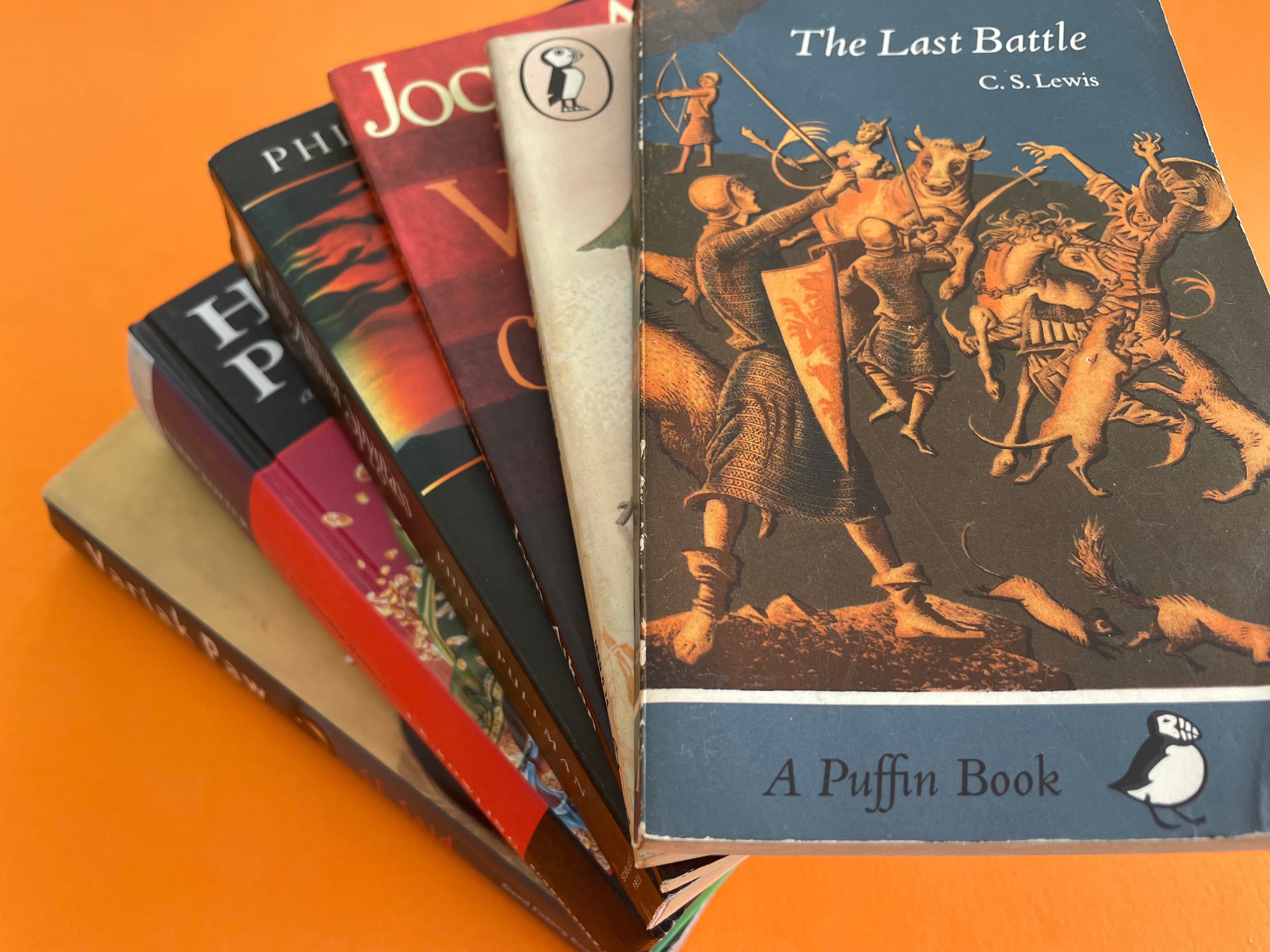
That she manages all of this in a brisk 144 pages is extraordinary. ‘Those who know the Wolves Chronicles will certainly feel they have had one last journey to the world of Joan Aiken,’ Lizza Aiken writes. ‘Even if, like readers of C.S. Lewis’s Last Battle they are not entirely satisfied by the rather sudden dispatch of all their long loved companions.’
But the conclusion of the Chronicles of Narnia does more than dispatch its cast, it feels like a stinging betrayal of both its characters and readers. In a vaguely described train crash, Lewis kills Lucy, Edmund, Peter and all the other friends of Narnia, securing them eternal life in the land of Aslan. It’s like he’s missed the fundamental appeal of Narnia – it’s wonderful because it’s a place where you can escape from the real world, not somewhere to spend eternity.
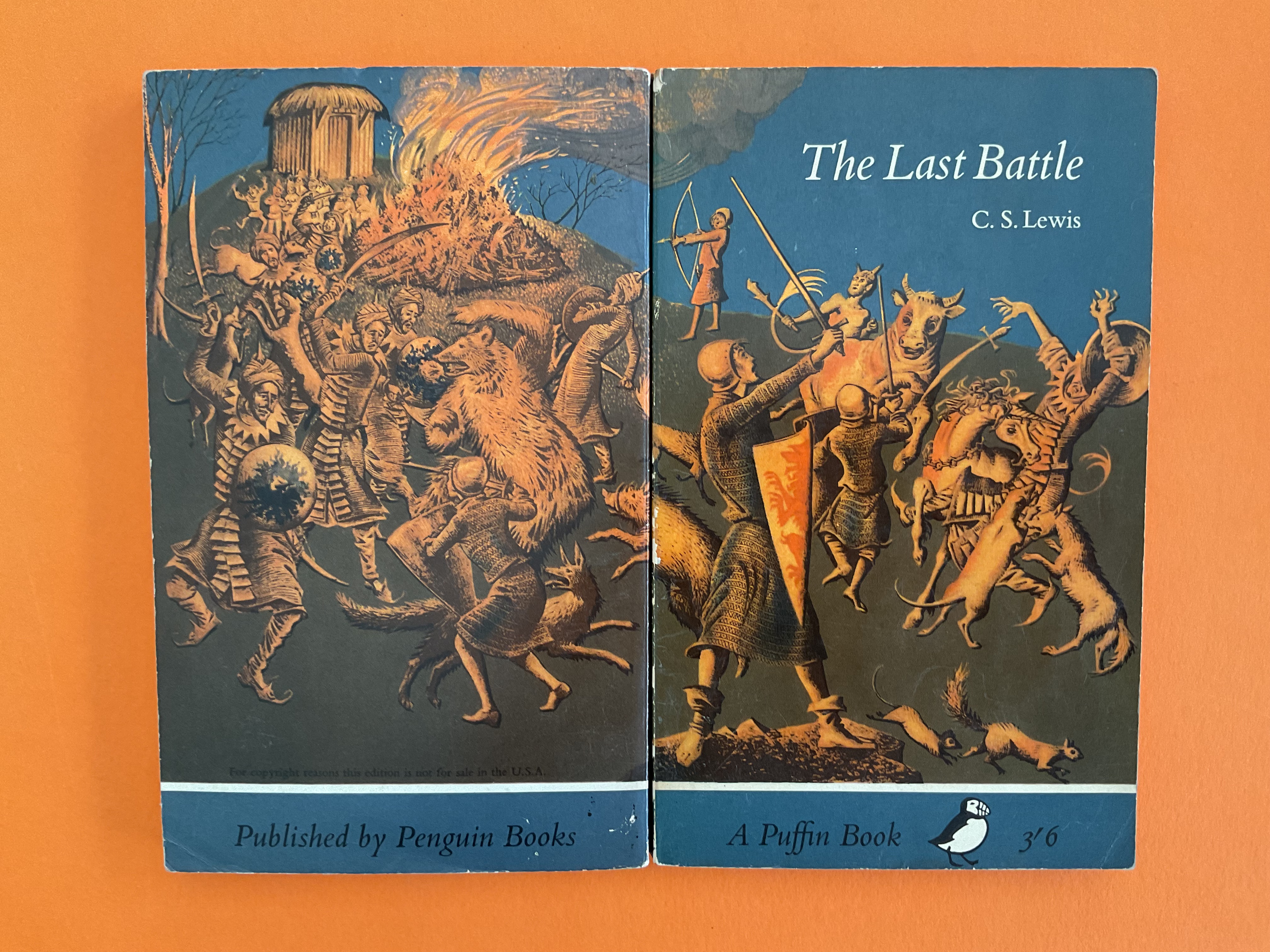
I still remember reading The Last Battle for the first time and the total incomprehension my nine year old self felt at this inexplicable decision. Infamously he leaves poor Susan behind. She is ‘no longer a friend of Narnia,’ Lewis tells us, she is guilty of leaving childhood behind in favour of the adult world with its ‘invitations, nylons, and lipstick.’ Yuck.
Philip Pullman, that celebrated enemy of Narnia, had a similar struggle leaving his perfect fantasy world behind. The Amber Spyglass, the final part of the His Dark Materials trilogy, displays moments of sparkling brilliance, such as Lyra and Will’s journey through the underworld. He also delivers them the perfect ending. But elsewhere in this overlong book he introduces wild new elements like a race of wheeled trunkies called the mulefa and gets bogged down in the least interesting part of his creation, the politicking Magisterium. All of which laid the groundwork for a misconceived sequel trilogy, The Book of Dust.
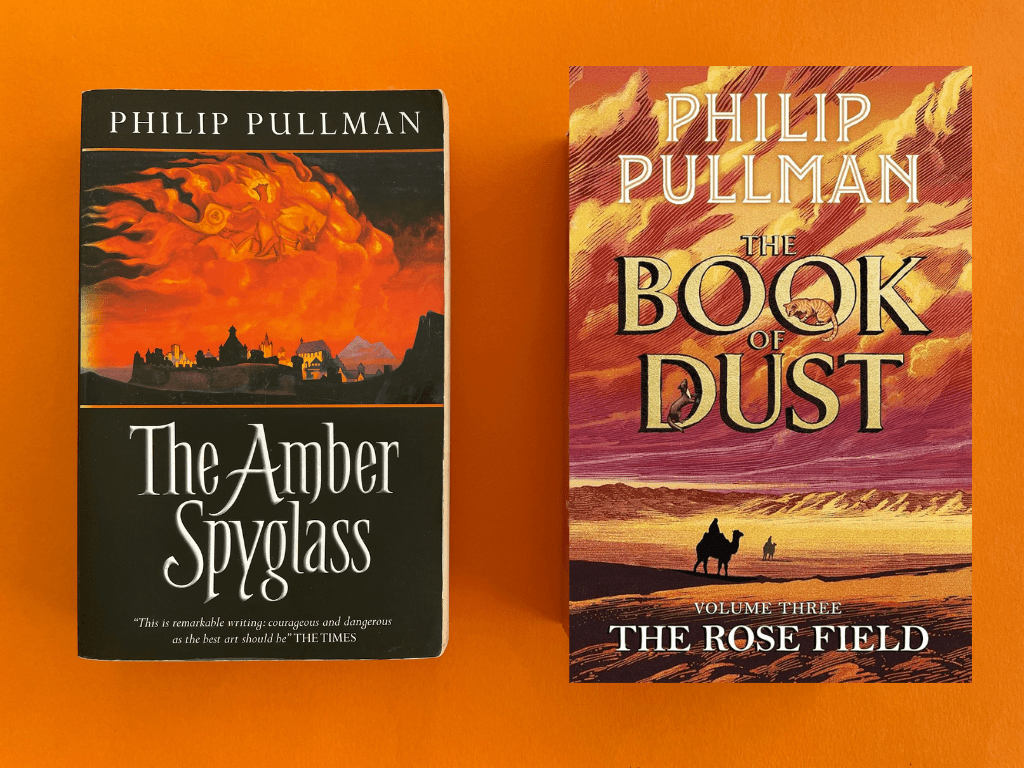
Like the Amber Spyglass, The Rose Field fails when it takes its eyes off the very thing that made His Dark Materials so compelling: the sparkling relationship between Lyra and her daemon Pan. They spend much of this book (and series) apart, and as a result Lyra feels like one of the aimless flickering ghosts she encountered in the world of the dead.
Perhaps Pullman should have left Lyra alone, sitting on that bench in Oxford. That was Tove Jansson’s approach. Moominvalley in November takes the radical step of abandoning the Moomin family altogether, clinging to a weather blasted rock in Moominpappa at sea. Her conclusion focuses instead on a disparate group of visitors (including fan favourite Snufkin) as they gather at the family’s home.
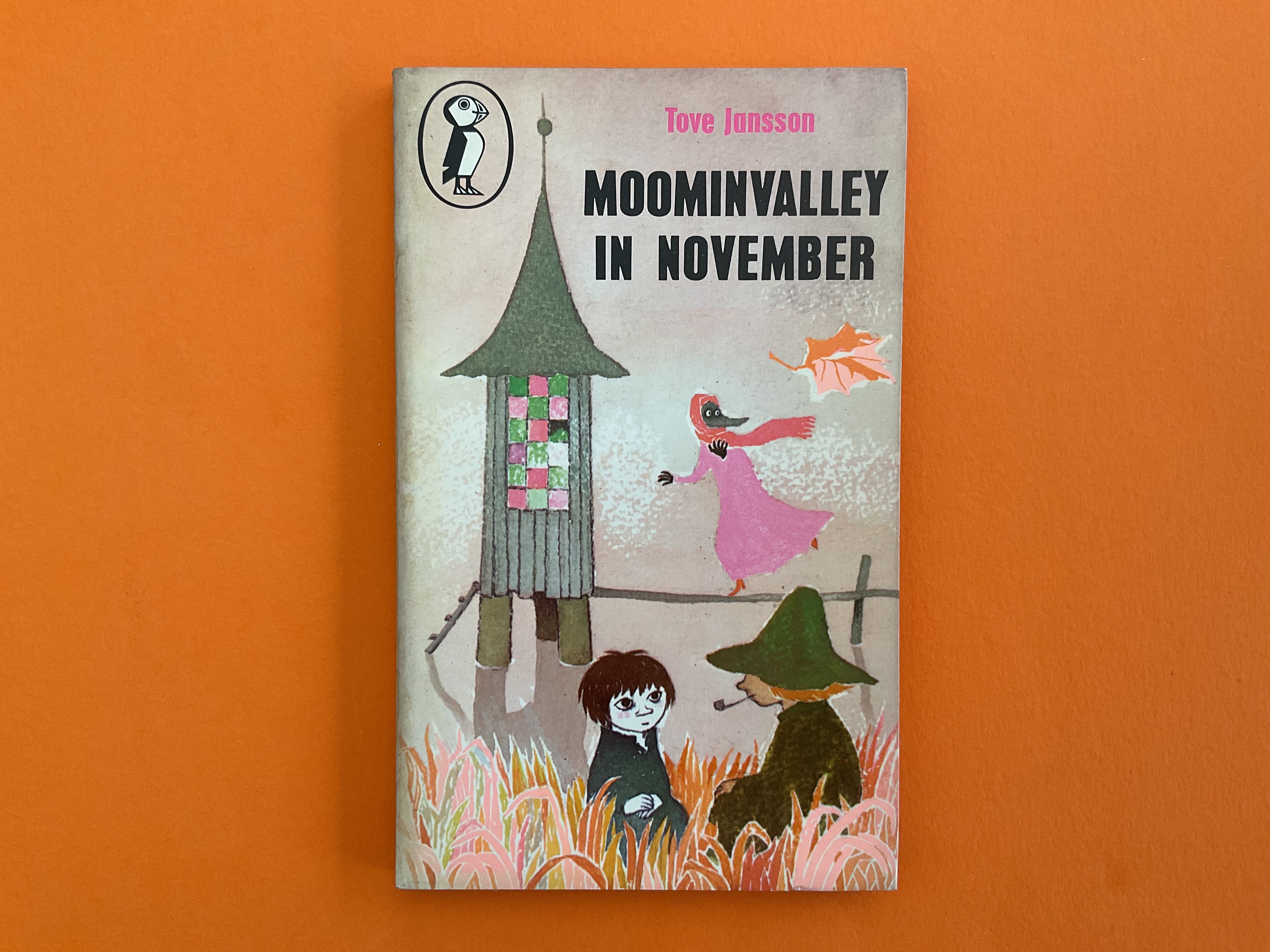
It’s a story about unfulfilled desires. The visitors all gravitate towards the Moomin house in search of something that each of the absent family represent, something they lack in their own characters and which they must now discover for themselves. Reader beware, this isn’t the sunny world we fell in love with during Finn Family Moomintroll, it’s raw, beautiful and written completely on Tove Jansson’s own terms.
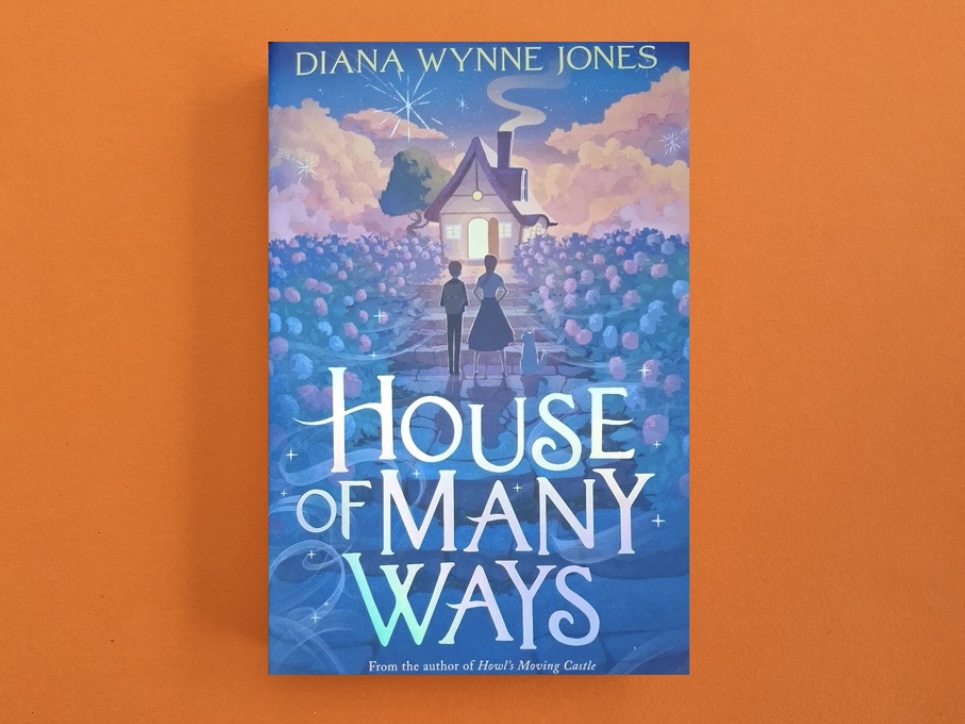
Diana Wynne Jones doesn’t quite go this far in the third of her trilogy which began with the classic Howl’s Moving Castle. After a disappointing middle chapter, she wraps things up with the magical House of Many Ways. Like Aiken’s Witch of Clatteringshaws, she introduces new protagonists but also returns her central cast to the narrative, fulfilling readers’ need to know how Sophie, Howl and Calcifer are getting on.
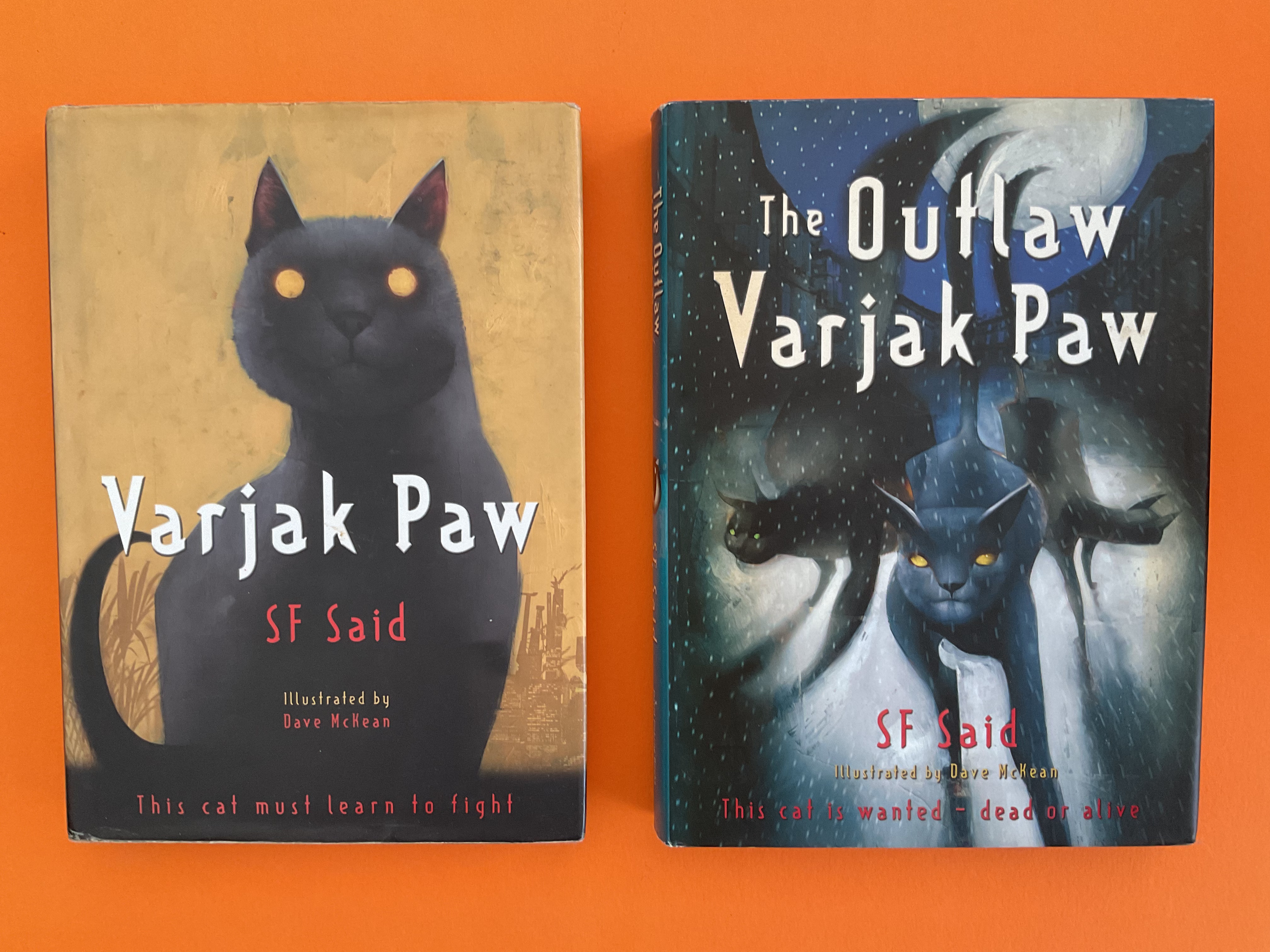
Another way to avoid the problem of the Last Battle is by delaying the finale of your series, perhaps indefinitely. SF Said has spoken about not wanting to return to the world of his beloved Kung Fu cat, Varjak Paw until he’s good and ready. A third title is planned, featuring Varjak as a very old cat trying to pass his secrets on to a new generation of kittens. You’ll have to be patient though.
“If you’re going to write a book about an old character, you should be old yourself. I’m making notes and I’ve got plans but it probably won’t be anytime soon.”
What are your favourite (and least favourite) concluding chapters? Let me know below the line.


I think this why I’m not such a fan of straightforward series? My own books are set in the same world, with overlapping characters but read as stand-alones. Diana Wynne Jones did this brilliantly with the Chrestomanci books, less successfully with Howl, and Aiken too managed a great run – The Whispering Mountain is one of her best, only tangentially connected with the ‘Wolves’ chronicles. From memory, Ysabeau Wilce’s Flora Segunda trilogy and the final Old Kingdom/ Sabriel by Garth Nix both wrap up well.
LikeLiked by 2 people
Completely agree with this Gita. I’m four books into the Chrestomanci series and am enjoying them hugely. Did think about Garth Nix, but it’s such a long time since I read them I couldn’t quite remember how they ended up. Must reread sometime A perfect trilogy is the dream, but it’s so rare isn’t it?
LikeLiked by 1 person
A fascinating round up! Thanks for this, I also compared Terry Pratchett’s posthumous last novel and the author’s impossible task of sorting out the world they have created… I loved Joan Aiken’s carefree wild ride, and the spirit of forgiveness that prevails; Dido even attempts to see some good in her dreadful old Pa – by celebrating the healing benefits of his music…one way to kill off the monsters!
LikeLiked by 1 person
Love the reference to Pa Twite, one of the best villains in children’s books. I can’t imagine how difficult it must be bring something as sprawling a Discworld to satisfying close. That article is here if people want to read it https://joanaiken.wordpress.com/2026/01/27/joan-aiken-stories-without-a-tell-by-date/
LikeLiked by 2 people